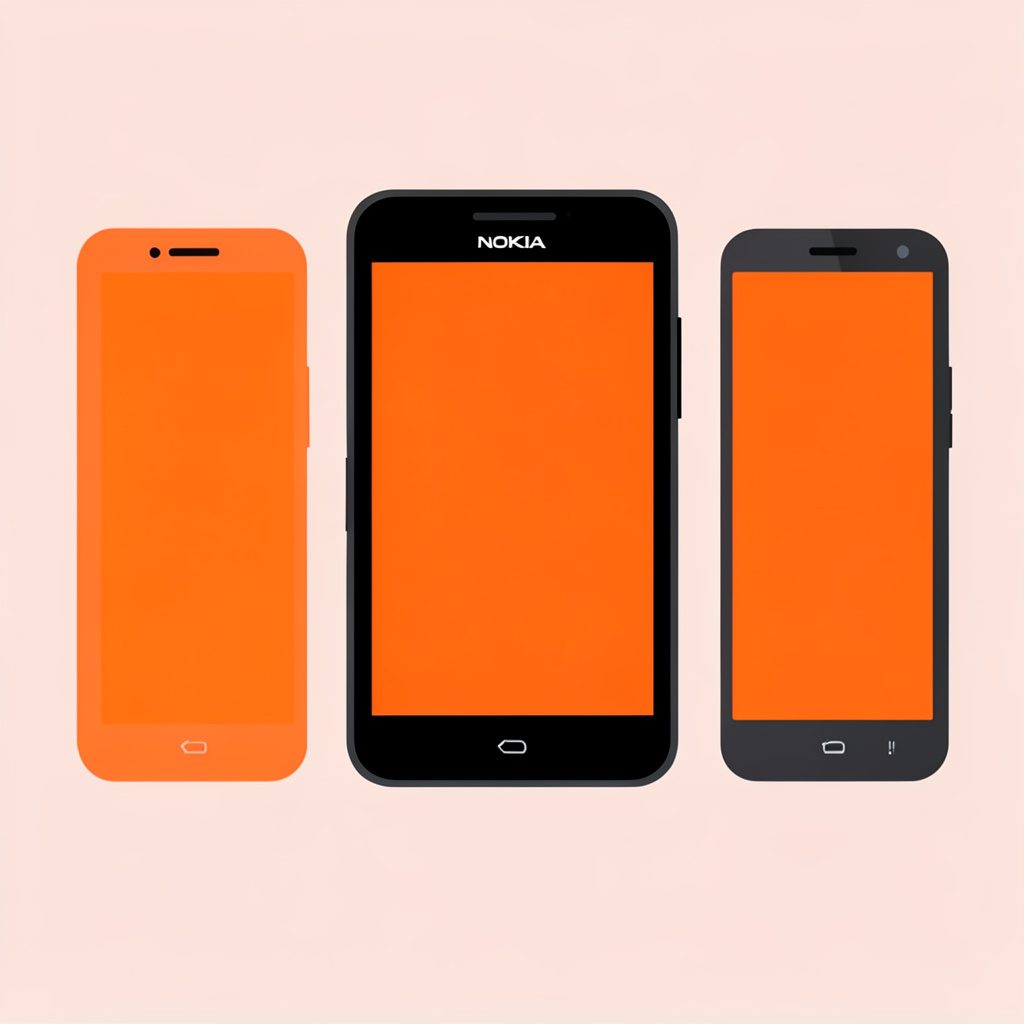
StoriesIO goes beyond standard headlines to deliver deep dives into IoT, Android, smartphones, browsers, and the technologies shaping how we connect.
Coverage That Goes Deeper
Four core areas where StoriesIO spends extra time cutting through the noise.
News
Daily headlines, launches, and industry shifts across the technology sector.
Devices
Smartphone and gadget coverage including Honor, Vivo, Nokia, and modular concepts.
Reviews
Long-form reviews of phones, smartwatches, and apps with honest verdicts.
IoT
How connected devices, browsers, and wearables are reshaping everyday tech.
The Mini Smartphone Revival: Practical Trend Or 2025 Nostalgia?
For years, smartphone design moved in one direction: larger screens, bigger batteries and camera systems that could replace several dedicated devices. In 2025, however, compact phones are attracting renewed attention. Buyers who remember the iPhone 13 mini, Sony’s smaller Xperia models or early five-inch Android handsets are looking for devices that fit comfortably in a pocket and can be used with one hand.
This interest is more complicated than a simple return to the past. A modern “mini” phone is usually smaller than today’s flagship average rather than genuinely tiny, while the compromises around battery life, cameras and thermal performance remain significant. The appeal combines nostalgia with a practical response to oversized hardware, constant notifications and the awkwardness of carrying a large handset through everyday life.
What Mini Means In 2025
There is no universally accepted size category for a mini smartphone. A handset around 5.8 to 6.1 inches may now be marketed or described as compact, even though it would have seemed large a decade ago. The change reflects the disappearance of thick bezels: a current 6.1-inch phone can have a similar overall footprint to an older 5.5-inch model.
The most recognisable recent example remains Apple’s iPhone 13 mini, which paired a 5.4-inch display with flagship performance. Its small body was genuinely pocket-friendly, but the limited battery capacity and relatively high price made it a difficult mainstream recommendation. Android alternatives such as the Asus Zenfone 9 and Zenfone 10 offered a 5.9-inch display, a headphone jack and strong processors, yet their availability was limited in several markets.
In 2025, “compact” is more likely to describe a standard premium phone with carefully controlled dimensions than a separate mini range. Samsung’s regular Galaxy S models, selected Sony Xperia devices and smaller Google Pixel options sit closer to this middle ground. Tiny specialist products from brands such as Unihertz still exist, although they target enthusiasts who accept slower software support and reduced camera quality.
Why Smaller Phones Are Appealing Again
The strongest case for a small phone is physical comfort. A narrow handset is easier to hold on a crowded Sydney train, reach across while walking through a Melbourne shopping centre and store in a pocket without the device digging into the user’s leg. It also reduces the need for two-handed typing, which matters to people who use their phone for quick messages rather than long sessions of video and gaming.
Compact dimensions can support more intentional use. A smaller screen is less inviting for endless scrolling, and the reduced visual space makes a phone feel less like a portable television. That does not automatically solve distraction, but it can create a useful friction between checking a notification and settling into a half-hour feed.
There is a wider lifestyle shift behind the interest. Some buyers want a primary phone that handles banking, maps, transport, photography and messaging while discouraging heavy entertainment. Others use a compact handset as a travel or work device alongside a tablet or laptop. The demand overlaps with minimalist launchers, monochrome display modes and dumbphone-inspired accessories, even when the hardware itself remains a fully featured Android or iOS product.
The Hardware Costs Of Going Small
The first compromise is battery capacity. A smaller chassis leaves less room for the battery, and thin premium designs may sacrifice capacity to preserve an attractive shape. Efficient chips and adaptive refresh rates help, but a compact phone used for navigation, 5G video streaming and photography can still need a top-up before the end of a busy day.
Cameras create another engineering problem. Larger sensors and long telephoto lenses need physical space, while image processing cannot completely replace optical hardware in dim conditions. A small phone may produce excellent daylight photos, yet a larger flagship will usually have better zoom, night photography and video stabilisation. Buyers who expect a pocket-sized camera powerhouse are likely to encounter the limits quickly.
Heat management is equally important. High-performance processors generate heat during gaming, video recording and hotspot use. A larger phone can spread that heat through a bigger internal area, while a mini model may throttle performance sooner. Wireless charging coils, speakers and cooling systems also compete for room. The result is a device that can be fast in short bursts but less comfortable for sustained intensive use.
Durability and repair deserve attention too. Compact products often require tightly packed components and specialised screens, which can make repairs expensive. Under the Australian Consumer Law, a phone must be of acceptable quality and reasonably durable for its price and expected use, but that does not mean every accidental screen break or worn battery is covered. A smaller phone can be easier to carry, yet its repair economics may be no simpler.
Australia Gives Compact Phones A Specific Test
Australia’s geography makes battery and connectivity more important than a marketing label suggests. A commuter in central Melbourne may spend much of the day near chargers and strong mobile coverage, while someone travelling between regional towns may rely on navigation, a car charger and a phone that holds a stable signal for long periods. The 3G network shutdown also made compatibility more serious: handsets need suitable 4G VoLTE support, including reliable emergency-call behaviour, rather than merely working for data.
Local pricing is another obstacle. Australian buyers often see compact international models arrive with limited stock, delayed software updates or prices that do not match their overseas reputation. GST, importer margins and warranty arrangements can make a niche Android phone less attractive beside a widely supported Samsung, Google or Apple model. Telstra, Optus and Vodafone coverage bands should be checked before importing, especially for regional travel.
A compact display is useful for navigation, but it should not encourage dependence on a weak signal. Drivers heading through the Blue Mountains, the Great Ocean Road or remote Western Australia can benefit from offline map tools before leaving coverage. Downloaded maps also reduce battery drain and data use, two practical advantages that matter more in Australia than in a dense city with frequent public Wi-Fi.
Australian regulation does not currently require manufacturers to offer repairable or small phones, although consumer protections and ongoing right-to-repair discussions influence the market. Buyers should look for a clear local warranty, security-update policy and access to replacement batteries or screens. A beautifully compact imported handset is a poor bargain if support disappears after a cracked display.
Nostalgia Is Part Of The Demand
Nostalgia has a genuine role in the mini-phone conversation. Many early smartphone users remember devices that disappeared into jeans pockets, survived a day away from a charger and did not dominate every spare moment. The emotional pull is strongest among people who see current phones as symbols of digital overload rather than simply useful tools.
That memory can be selective. Older phones had smaller screens because mobile websites, cameras and apps were less ambitious. Streaming high-resolution video, editing photos, using contactless payments and navigating with live traffic all place greater demands on a handset today. A compact phone from 2025 is expected to deliver modern performance inside a smaller shell, which makes the comparison with an old Nokia or first-generation iPhone unfair.
The nostalgia also intersects with a desire for control. Buyers are increasingly aware of notification design, persuasive interfaces and the commercial value of attention. A smaller display can make a phone less absorbing, but software settings matter more than screen size. Focus modes, notification categories, app timers and removing social apps from the home screen will usually have a larger effect on digital habits.
Even entertainment and shopping choices reflect this tension. Someone may use a small phone for messages and podcasts, then open a browser for occasional research or deposit bonus play, where responsible spending, age restrictions and the terms of a promotion matter more than the handset’s dimensions. The lesson is that a compact phone can support more deliberate use, but it cannot make online behaviour responsible by itself.
Where The Category Goes Next
A true mini flagship would need a careful balance: a screen below six inches, efficient silicon, a dependable all-day battery, strong cameras, long software support and a price that does not punish buyers for choosing less physical space. That combination is technically possible, but the market remains difficult. Large phones give manufacturers room for premium components and give retailers an easy visual distinction between base and expensive models.
The likely future is a broader compact segment rather than a flood of tiny phones. Manufacturers may keep standard models around six inches, reduce unnecessary bezels and use more efficient processors. Foldables could add another option, allowing a device to remain narrow when closed while providing a larger display when needed, although current foldables remain expensive and introduce concerns around durability and repairs.
Success will depend on whether buyers accept modest compromises. A compact phone makes sense for people who prioritise portability, one-handed use and lower visual intensity. It makes less sense for heavy gamers, frequent mobile photographers, commuters who spend hours streaming video or travellers who need maximum battery endurance far from a power socket.
The market signals a real need, even if the word “mini” carries nostalgic baggage. Compact smartphones are unlikely to replace large-screen flagships, but they can become a durable niche if manufacturers treat portability as a product benefit rather than a novelty. In Australia, local warranty support, network compatibility and battery performance will determine whether that niche grows beyond enthusiasts.
| Feature | Compact Smartphone | Large Flagship |
|---|---|---|
| Pocketability | Easier to carry and use one-handed | Bulkier, especially with a protective case |
| Battery endurance | Usually more limited under heavy use | Generally stronger due to greater internal space |
| Camera hardware | Capable, but fewer options for large sensors and zoom | More room for advanced sensors and telephoto lenses |
| Gaming and cooling | Fine for short sessions, may heat sooner | Better suited to sustained high performance |
| Australian travel | Convenient, but may need more charging | Better for long navigation and media sessions |
| Digital wellbeing | Smaller screen can reduce passive viewing | Larger display is better for reading, video and multitasking |
| Repair and support | Niche models may have limited parts or local service | More likely to receive broad retailer and repair support |
The 2025 compact-phone revival is therefore both a trend and a memory. Nostalgia creates attention, but comfort, portability and a wish to spend less time absorbed in a screen give the category a practical foundation. Mini smartphones will remain a minority choice, yet that does not make the movement superficial: it shows that many users now value the size of a device as much as its specifications.
From The StoriesIO Archive
A look at devices, platforms, and experiments covered across recent reporting.